How to Remove Moss & Lichen from Your Roof
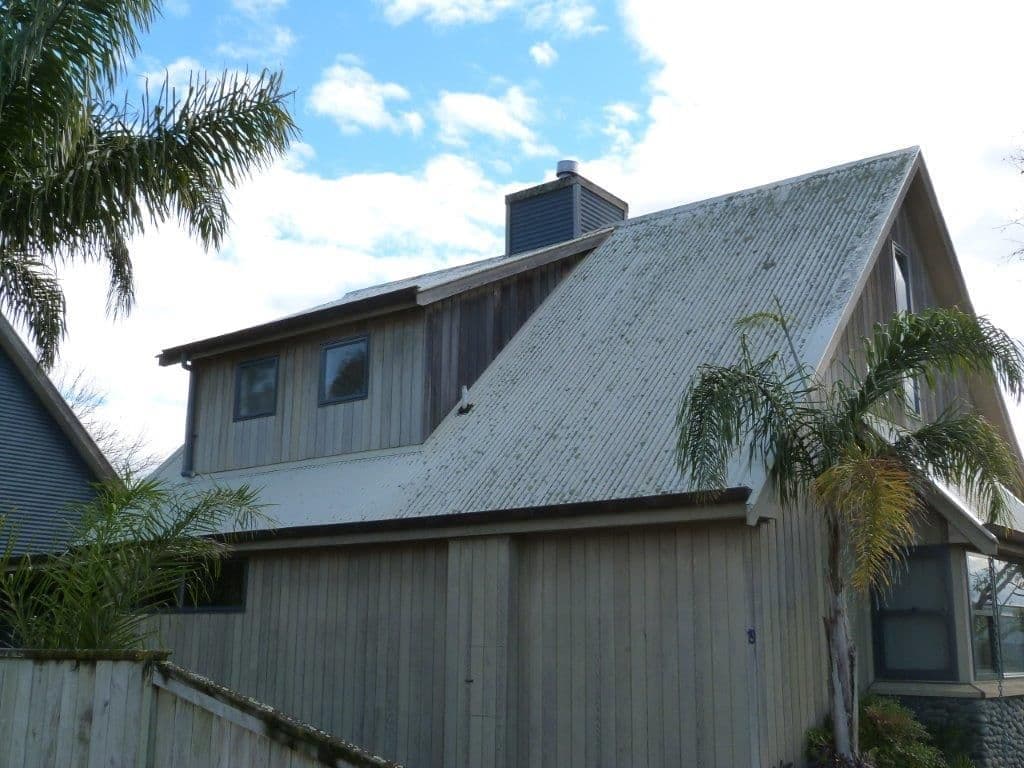
New Zealand's damp, temperate climate is perfect for moss and lichen. Unfortunately, your roof is too. If you've noticed green, grey, or black growth spreading across your roof, you're not alone — it's one of the most common maintenance issues Kiwi homeowners face. The good news is that it's entirely treatable. The bad news? If you ignore it, the damage can be significant and expensive.
Why Moss and Lichen Are a Problem
Moss is a soft, sponge-like plant that holds moisture against your roofing surface. Over time, that trapped moisture accelerates corrosion on metal roofs, weakens concrete and clay tiles, and can work its way under flashings and into your ceiling cavity. Lichen is even more tenacious — its root-like structures can penetrate the surface of roofing materials, breaking down the substrate at a microscopic level.
Moss and lichen can also lead to the accumulation of debris and other organic growth, which can block water channels, valleys, and gutters and lead to water ingress in extreme rain events.
Beyond compromising your roofing system, moss and lichen can also reduce the street appeal and value of your home.
How to Identify Moss vs. Lichen
It helps to know what you're dealing with:
- Moss looks soft, green, and fluffy, but can grow in thick mats, especially in shaded areas that stay damp.
- Lichen appears flatter and is more tightly bonded to the surface. It often looks grey, green, orange, or crusty. It's significantly harder to remove than moss.
- Algae creates dark streaks or a black/green film and will often thrive on shaded roof surfaces. It is also often a precursor to moss or lichen growth.
DIY Moss Removal: What Works (and What Doesn't)
Soft Washing
Low-pressure treatment cleaning with a diluted biocide solution is the safest DIY method. Avoid high-pressure washing roofs — as the pressure can crack tiles, dislodge pointing, and drive water under the roof. On long-run iron and metal tile roofs, high pressure washing can also strip protective coatings and cause premature rust.
Dry Brushing
On concrete or clay tile roofs, you can carefully brush off dry moss with a stiff brush. Always work downward (never side to side, which can displace tiles) and use appropriate safety equipment and PPE for this work. This work should only be attempted on one level roofs with pitches safe enough to walk on.
Chemical Treatments
A range of moss and lichen treatment cleaning products are available in New Zealand. Most contain active ingredients like benzalkonium chloride. Apply them to a dry roof on a calm day, allow them to be absorbed and let rain gradually wash the dead growth away, over the following weeks and months. Do not apply in direct sunlight or before rain, as this reduces effectiveness.
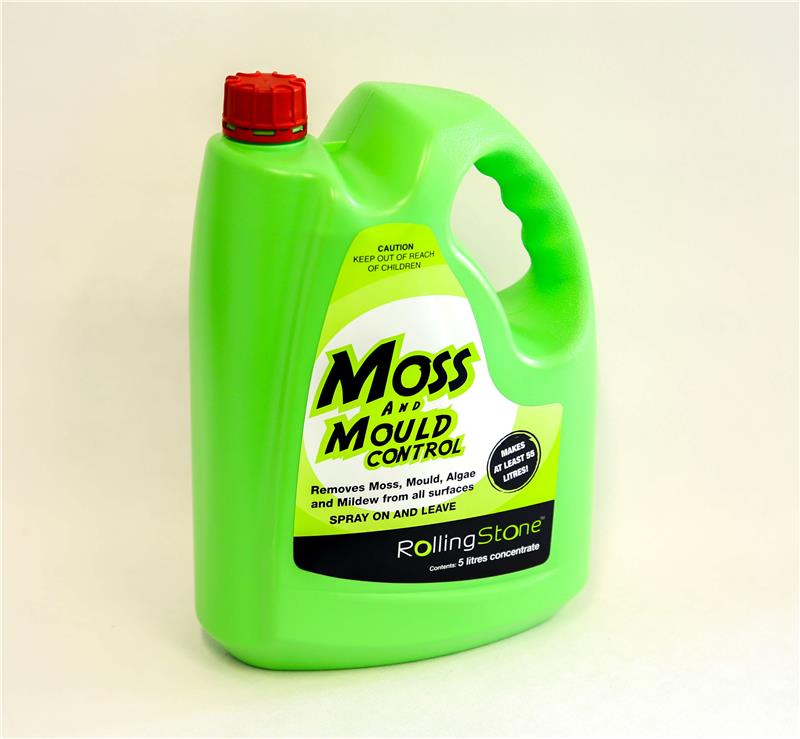
Edwards & Hardy product.
RollingStone™ Moss & Mould Control
Our own trusted treatment — spray on and leave. The biodegradable, non-corrosive formula works over 6–12 months to remove moss, mould, algae and mildew from roofs, paths, decking and more. One 5 litre concentrate makes 55 litres of ready-to-use solution.
$60 / 1 bottle or $99 / 2 bottles — delivered incl. GST within 25km of a branch.
When to Call a Professional
If the organic growth is significant, or if your roof is steep, or over two storeys, professional roof treatment is the safer and more effective option. At Edwards & Hardy, we use a two-stage process:
- Stage 1 — Roof Treatment: We apply a professional-grade, slow-acting biocide solution to your entire roof surface. Over 10–12 months, rain gradually washes away the dead moss and lichen, leaving your roof clean without any harsh scrubbing or chemicals, that need to be rinsed off.
- Stage 2 — Moss Proofing: Once the roof is clean, we apply RoofGuard® Moss Proofing Treatment, which creates a long-lasting barrier against regrowth. We recommend reapplying this every two to three years.
How to Prevent Moss and Lichen Coming Back
- Trim overhanging branches — shade and leaf debris are the biggest contributors to moss growth. More sunlight reaches your roof, and less debris accumulates in gutters.
- Keep gutters clean — blocked gutters can cause water to back up and overflow back towards the property, creating damp areas that are prime moss territory.
- Regular inspections — catching early algae growth before it becomes established moss or lichen saves considerable time, money, and extends the life of your roof.
- Apply preventative treatments — a proactive moss proofing treatment every few years is far cheaper than repairing a roof that has been damaged by organic growth.
Is It Time for a Professional Roof Clean?
If moss or lichen has taken hold on your roof, don't wait for it to get worse. Edwards & Hardy provides professional roof treatment services across New Zealand, using safe, effective products and trained operators, who work to industry health and safety standards. Request a free quote today and we'll assess your roof and recommend the right treatment cleaning plan.