
Asbestos Roofing in NZ: How to Identify It and What to Do
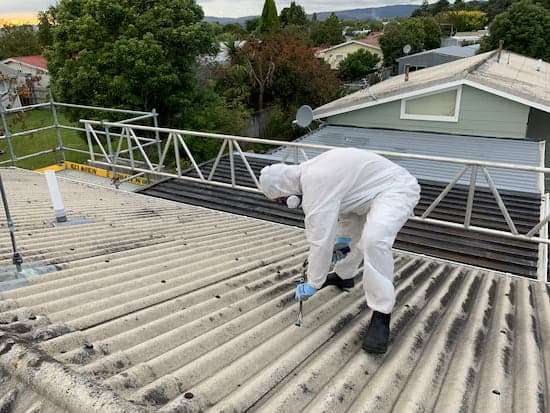
Asbestos was once considered a wonder material — fire-resistant, strong, durable, and cheap. For decades it was used extensively in New Zealand construction, including in some roofing and cladding products. Today, we know the serious health risks it poses. If your home or building was constructed before the mid-1990s, there's a real chance asbestos-containing materials may still be present on your roof.
When Was Asbestos Banned in New Zealand?
New Zealand has progressively phased out the use of asbestos. The importation and use of most asbestos-containing materials was banned in 1984, but products already in stock continued to be installed into the early 1990s. Asbestos was not completely banned in all forms until 2016, when the Health and Safety at Work (Asbestos) Regulations 2016 came into force, which also introduced strict obligations around the management, removal, and disposal of asbestos products.
What Types of Asbestos Roofing Exist in NZ?
The most common asbestos-containing roofing products found in New Zealand are asbestos cement sheets and some mastic or bitumen-based pressed metal roof tiles produced prior to the early 1980s.
The asbestos cement sheets were used in the manufacture of the following roofing products:
- Corrugated asbestos cement sheeting — Used on residential roofs and on farm buildings, garages, and commercial properties as a cladding, roofing, and fencing product. Visually similar to corrugated iron but with a slightly different profile and a matte, grey surface.
- Asbestos cement flat sheets — Used on flat or low-pitch roofs, particularly on industrial and older commercial buildings. Also used as a cladding and soffit product.
- Asbestos cement tiles — Less common, but used on some residential homes built in the 1950s–70s.
Asbestos was also used in the manufacture of some pressed metal tiles produced prior to the early 1980s. It was used as a binder in the mastic or bitumen to adhere the stone chip to the pressed metal tiles. Profiles that were affected include the Decramastic and Harveytile profiles. However, other profiles manufactured may also be affected.
How Do I Know If My Roof Contains Asbestos?
You cannot always identify asbestos by sight alone — the only definitive way to determine if a material contains asbestos is to have it tested by an accredited laboratory. However, there are visual clues that suggest your roof may be an asbestos-containing material:
Asbestos Sheets:
- The building was constructed or roofed between the 1940s and early 1990s.
- The roof has a corrugated profile but appears heavier and more rigid than corrugated steel, with a matte grey or weathered surface.
- The roof has a slightly different corrugation than modern steel roofs — asbestos sheeting typically has a wider, lower wave pattern.
- The sheets are brittle, are cracked, or have visible flaking at the edges.
Pressed Stone Chip Metal Tiles:
- The building was constructed or roofed between the late 1960s and early 1980s.
- The roof is a Decramastic or Harveytile stone chip metal tile.
Do not attempt to collect a sample yourself. Disturbing asbestos-containing materials can release fibres into the air, which pose a serious inhalation health risk. Contact a licensed asbestos assessor or a qualified roofing contractor to arrange testing.
Is Asbestos Roofing Dangerous?
There are no risks associated with asbestos-containing roofing products if they remain in good condition and are left undisturbed. The potential danger comes when the material is weather damaged or disturbed during roofing or maintenance work. Under no circumstances should asbestos products be drilled, cut, broken, or pressure washed, as this work can release respirable fibres.
Old asbestos-containing roofing materials that look like they can be crumbled by hand at the edges are more likely to release respirable fibres and have a much higher-risk profile. These products should be encapsulated or removed as soon as possible.
What Are Your Options?
Option 1: Manage in Place
If the asbestos roof is in good condition with no cracks or crumbling, it is acceptable to leave it in place and manage it. Your management plan can include the treatment cleaning of the roof, by an experienced operator, to stop organic growth and the damage that this causes.
Option 2: Encapsulation
Encapsulation generally involves applying a specialist sealant over the asbestos roof to bind loose material and slow further weathering. This is a temporary measure.
Another encapsulation option is to overlay the existing roof with a new roof. This can only be undertaken if the overlay work does not disturb the existing asbestos roof.
Option 3: Remove and Replace
The full removal and replacement of the asbestos roof is the only permanent solution. Under NZ law, removal of more than 10m² of non-friable asbestos must be undertaken by a Licensed Class B Removalist. Disposal must be at an approved facility — asbestos cannot be disposed of in general skip bins.
After asbestos removal, a clearance certificate is issued and your new roof can be installed — typically long-run steel, which is a durable, modern, and cost-effective replacement.
What Will It Cost?
Asbestos removal costs in NZ vary depending on the quantity of roofing material, the design and location of the property, and how accessible the site is. As a rough guide, expect asbestos roof removal to cost between $70–$120 per m² on top of your regular roof replacement cost. The roof replacement work will be priced separately.
Talk to the Experts
Edwards & Hardy is a Licensed Asbestos Removalist. We can also work alongside other licensed asbestos removalists to ensure your old asbestos roof is handled safely, legally, and with minimum disruption to your property. We can manage the full process from assessment through to your brand-new roof. Get in touch with our team to discuss your situation.