Unveiling the Mysteries of Moss on Roofs: Causes and Effects
Learn what causes moss to grow on roofs, how it affects roofing materials, and the best ways to prevent or remove it before damage worsens.
Category
Roofing
Published
5 October 2026
Read time
5 min read
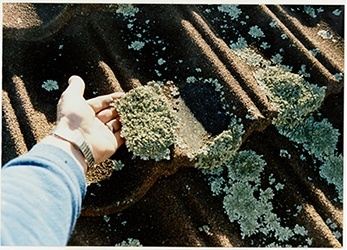
Moss on a roof can look harmless from a distance, but it is rarely something homeowners should ignore. In the right conditions, moss can spread quickly, hold moisture against roofing materials, and create the kind of problems that shorten roof life and increase maintenance costs.
In New Zealand, where many homes experience regular rainfall, damp winters, tree cover, and shaded roof areas, moss growth is a very common issue. Understanding what causes it, and what it can do to your roof over time, is the first step toward preventing long-term damage.
What Causes Moss to Grow on Roofs?
Moss does not appear at random. It thrives where conditions favour persistent moisture, limited drying, and surface build-up.
Moisture Retention
Moss loves damp environments. Roofs that stay wet for long periods after rain are much more likely to support moss growth. This is especially common on shaded roof slopes, lower-pitched areas, and sections where drainage is slower.
Once moisture remains on the roof surface long enough, moss spores can establish and begin to spread.
Tree Overhang and Debris
Overhanging trees are one of the biggest contributors to moss growth. They create shade, reduce sunlight, and drop leaves and organic debris onto the roof.
That debris holds moisture and slows drying, creating an ideal environment for moss to develop. It can also block gutters and valleys, which makes the roof stay wetter for longer.
Poor Ventilation and Damp Roof Spaces
Poor ventilation does not directly cause moss on the outer roof surface, but it can contribute to broader moisture issues in the roof system. A damp, poorly ventilated roof space can worsen condensation and affect the overall condition of roofing materials.
In homes with existing moisture problems, poor ventilation can be part of a wider pattern that makes the roof more vulnerable to deterioration.
What Are the Effects of Moss on a Roof?
Moss is not just a cosmetic problem. Left untreated, it can affect the performance, appearance, and lifespan of the roof.
Material Deterioration
Moss holds moisture against the roofing surface. Over time, that can accelerate corrosion on metal roofs, weaken the surface of tiles, and contribute to breakdown in other roofing materials.
As the moss grows, it can also work into laps, joints, and small gaps where water should be draining freely.
Greater Risk of Leaks
When moisture is trapped on the roof surface for long periods, the risk of leaks increases. Moss can contribute to blocked drainage paths, interfere with runoff, and create conditions where water is more likely to find its way into vulnerable areas.
Even if moss does not directly create an opening, it can worsen the conditions that allow roof defects to become leak points.
Reduced Roof Lifespan
A moss-covered roof is likely to deteriorate faster than a clean, well-maintained one. The extra moisture load and surface breakdown can shorten the life of roofing materials and bring forward the need for repairs or replacement.
For homeowners, that means moss is not just a maintenance nuisance. It can have a real cost over time.
Reduced Street Appeal
Moss growth also affects how a property looks. Heavy growth can make a roof appear neglected, which can reduce street appeal and create the impression that maintenance has been deferred elsewhere too.
That may not matter day to day, but it can matter if you are thinking about resale or simply want to keep the home looking well cared for.
How to Prevent Moss Growth
Prevention is usually easier and cheaper than dealing with advanced moss growth later. The most effective strategies focus on reducing the conditions moss prefers.
Inspect the Roof Regularly
Routine inspections help identify moss growth early, before it becomes widespread. Early growth is usually easier to treat and less likely to have caused deeper problems.
Trim Trees Back
Reducing shade and keeping leaf debris off the roof can make a significant difference. Trimming overhanging branches improves sunlight exposure and helps the roof dry more quickly after rain.
Keep Gutters and Valleys Clear
Blocked drainage areas increase the amount of time water stays on the roof. Keeping gutters, downpipes, and valleys clear supports better runoff and helps reduce the damp conditions moss thrives in.
Address Moisture Issues in the Roof System
If the roof space has condensation or ventilation problems, it is worth dealing with them as part of a broader maintenance plan. While that may not remove existing moss on its own, it supports a healthier overall roof system.
Choosing the Right Removal Approach
There is no single moss removal method that suits every roof. The right approach depends on the roofing material, the extent of the growth, the accessibility of the roof, and the condition of the surface underneath.
Manual removal, low-pressure treatment, and specialist moss-control products all have a place in the right circumstances. What matters most is choosing a method that removes or kills the moss without damaging the roof.
High-pressure washing can be risky on many roof types and should not be treated as a universal solution.
Small Growth Becomes a Bigger Problem Quickly
Moss often starts as a small patch in a damp, shaded part of the roof. If it is ignored, it can spread, hold more moisture, and begin affecting both the look and performance of the roof.
That is why understanding the causes and effects matters. Once you know what encourages moss growth, you can take practical steps to reduce the risk and respond early when it appears.
If your roof is showing signs of moss or lichen growth, contact the team at Edwards & Hardy. We can assess the roof, explain the safest treatment options, and help you protect your roof from unnecessary damage.