
Navigating the Elements: Common Roofing Problems in New Zealand
Learn about common roofing problems in New Zealand, including moss growth, leaks, storm damage, UV wear, and poor roof ventilation, plus how to prevent them.
Category
Roofing
Published
31 August 2026
Read time
5 min read
New Zealand's climate puts roofs under constant pressure. From subtropical humidity in the north to alpine cold in the south, roofs are exposed to rain, wind, salt air, UV radiation, and rapid temperature changes throughout the year.
That constant exposure is why roofing problems are so common, even on otherwise well-maintained homes. The good news is that most issues can be managed, and often prevented, with regular inspections and timely maintenance.
Here are some of the most common roofing problems homeowners face in New Zealand, and what can be done about them.
Moss and Algae Growth
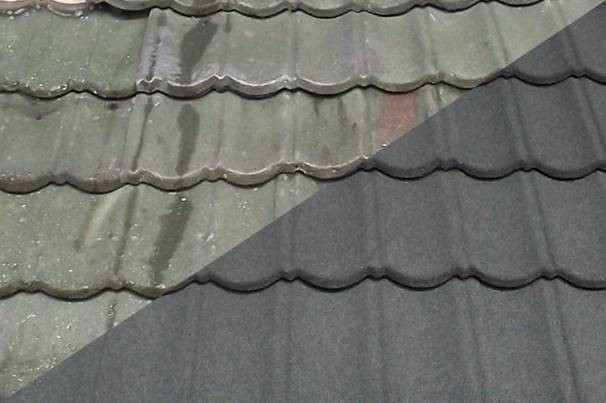
New Zealand's damp conditions make moss, algae, and lichen a common problem, especially on shaded roof areas and in regions with regular rainfall. While this growth may look harmless at first, it can hold moisture against the roof surface for long periods.
Over time, that trapped moisture can accelerate wear on roofing materials, contribute to corrosion on metal roofs, and lead to cracked or weakened tiles. Organic growth can also block valleys and gutters, increasing the risk of water ingress during heavy rain.
Preventing Moss and Algae Damage
Regular roof cleaning and treatment are the best ways to keep moss and algae under control. On some roofs, zinc or copper strips can also help inhibit regrowth over time. The key is to deal with it early, before the growth becomes established and starts causing damage.
Roof Leaks
Roof leaks are one of the most common roofing issues in New Zealand. Frequent rain, wind-driven weather, and ageing materials can all create openings for water to enter.
Leaks are often caused by damaged roofing materials, deteriorated flashings, loosened fasteners, blocked gutters, or failed seals around penetrations such as vents and pipes. One of the biggest challenges with roof leaks is that the point where water appears inside is often not where it entered the roof.
Preventing Roof Leak Damage
Routine inspections are essential. Identifying damaged areas early and carrying out prompt repairs can prevent small leaks from turning into major internal damage. If a leak has already appeared inside the home, it is best to arrange a professional assessment as soon as possible.
High Winds and Storm Damage
New Zealand is no stranger to severe weather, particularly in coastal locations and exposed regions. Strong winds and storms can lift roofing materials, damage flashings, loosen ridge caps, and in some cases cause structural damage.
Even when a roof looks fine from the ground, storm damage can leave small weaknesses that worsen over time. A single lifted sheet, displaced tile, or damaged fixing can become the starting point for water entry in the next weather event.
Reducing Storm Damage Risk
Using quality roofing materials and ensuring the roof is installed correctly goes a long way toward improving storm resilience. After any significant weather event, a roof inspection is a sensible precaution. Small storm-related issues are usually much cheaper to fix early than after they have had time to develop into larger failures.
UV Radiation and Sun Damage
While rain and wind get most of the attention, UV exposure is another major cause of roof deterioration in New Zealand. The sun can be extremely harsh, especially in areas with high exposure and little shade.
Over time, UV radiation can break down coatings, fade roofing materials, dry out sealants, and contribute to cracking or brittleness. On some roofs, this damage is gradual enough to go unnoticed until other problems begin to appear.
Limiting UV-Related Deterioration
Choosing roofing products designed for New Zealand conditions is important. UV-resistant materials and protective coatings can help reduce the effects of long-term sun exposure. Regular maintenance also helps identify worn coatings, brittle sealants, and other early warning signs before the damage becomes widespread.
Poor Roof Ventilation
Poor ventilation is often overlooked because it is less visible than a leak or storm damage, but it can have a significant impact on the health of a roof system. Inadequate airflow can allow moisture to build up in the roof space, which in turn encourages mould, mildew, condensation issues, and premature material deterioration.
Poor ventilation can also affect indoor comfort and reduce the overall performance of insulation, especially where moisture has been allowed to accumulate over time.
Improving Roof Ventilation
Proper ventilation is critical to a healthy roof system. That may involve installing or improving vents, checking that airflow paths are not blocked, and making sure the roof space can release excess heat and moisture effectively. This is particularly important in homes that have had renovations, insulation upgrades, or layout changes over the years.
Why Proactive Maintenance Matters
Most major roofing problems do not start as major problems. They begin as small maintenance issues that are missed, delayed, or ignored. A little moss becomes widespread growth. A minor flashing defect becomes a leak. A few loose fixings become storm damage.
That is why proactive maintenance matters. Regular inspections, cleaning, and minor repairs help extend the life of the roof and reduce the risk of expensive surprises.
Protecting Your Roof from the Elements
New Zealand roofs have to cope with a lot. Understanding the most common problems, and acting early when they appear, is one of the best ways to protect your home.
Whether it is moss growth, a leak, storm damage, sun-related wear, or ventilation issues, the right maintenance plan can make a significant difference to the lifespan and performance of your roof.
If you would like your roof inspected or need advice on repairs and maintenance, contact the team at Edwards & Hardy. We can help you identify issues early and recommend the right solution for your property.