
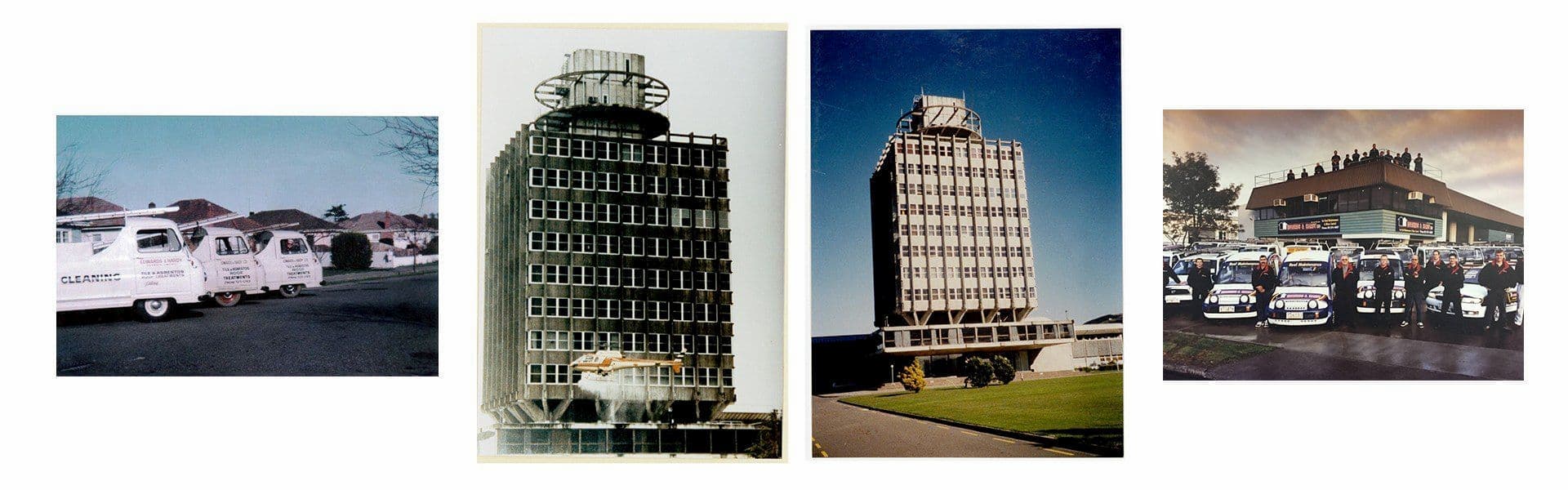
A Century of Change: How Roofing Has Evolved Over the Last 100 Years
Explore how roofing has evolved over the last 100 years, from traditional slate and asphalt to metal roofing, insulation advances, solar systems, and smart technology.
Category
Roofing
Published
24 August 2026
Read time
5 min read
Roofing has changed enormously over the last 100 years. What was once a trade dominated by a narrower range of materials and more labour-intensive methods has become a highly specialised industry shaped by better engineering, improved safety, stronger materials, and smarter technology.
At its core, the purpose of a roof has not changed. It still needs to protect the building below from wind, rain, sun, and temperature extremes. What has changed is how effectively modern roofing systems can do that, and how many more options property owners now have.
Here is a look at how roofing techniques and materials have evolved over the last century.
Early 20th Century: The Age of Asphalt and Slate
In the early 1900s, roofing was defined largely by traditional materials such as asphalt shingles and slate tiles. Asphalt quickly became popular because it was comparatively affordable, relatively straightforward to install, and provided reliable waterproofing for a wide range of homes.
Slate sat at the other end of the market. It was prized for its appearance, longevity, and prestige, and was more commonly used on higher-end homes, public buildings, and institutional properties. A well-installed slate roof could last for decades, but it required skilled labour and came at a much higher cost.
During this period, roofing methods were also more manual. Installation relied heavily on site craftsmanship, and there was far less standardisation in products, safety systems, and weatherproofing details than there is today.
Mid-20th Century: The Rise of Modern Roofing Materials
As construction methods advanced, the roofing industry began to move toward materials that could deliver better performance, faster installation, and broader application across residential, commercial, and industrial buildings.
The Growth of Metal Roofing
One of the biggest shifts during the mid-20th century was the growing use of metal roofing. Metal offered excellent durability and strong resistance to harsh weather, making it especially attractive for commercial and industrial buildings.
Over time, metal roofing also became a more common option for homes. Its long service life, lower maintenance requirements, and clean appearance made it a practical choice for many property owners.
Asbestos and Its Decline
Asbestos-containing roofing products were also widely used during this period because they were lightweight, fire-resistant, and economical. At the time, they were seen as a useful modern material.
That changed as the health risks of asbestos became better understood. As awareness grew, the use of asbestos declined sharply and the industry was forced to adapt. This shift had a lasting impact on roofing, encouraging the development of safer alternatives and changing the way older roofs are inspected, repaired, and replaced.
Late 20th Century: Better Performance and Greater Efficiency
By the late 20th century, roofing was no longer just about keeping the rain out. Performance, efficiency, and long-term durability had become much bigger priorities.
Advancements in Insulation
Improved insulation was one of the major developments of this era. Better roofing systems and insulation materials helped buildings retain warmth in winter and reduce heat gain in summer, improving comfort and lowering energy use.
This was an important step forward because roofs began to play a more active role in the overall energy efficiency of a building rather than simply acting as an external shell.
The Introduction of Synthetic Materials
Manufacturers also began producing synthetic roofing materials such as fibreglass shingles and polymer-based tiles. These products offered more flexibility in design and often delivered a more cost-effective balance of weight, durability, and appearance.
For property owners, that meant more choice. For the industry, it meant roofing systems could be tailored more closely to the building type, budget, and performance requirements.
21st Century: A Technological Shift
The last two decades have seen roofing move into a much more advanced phase. Today, roofs can contribute to energy generation, environmental performance, preventative maintenance, and smarter asset management.
Solar Roofing
The rise of renewable energy has had a major influence on roofing. Solar panels, and in some cases solar-integrated roofing products, have become a viable option for property owners who want to generate electricity and reduce long-term energy costs.
This shift has changed the way roofs are viewed. A roof is no longer only a protective covering. In many cases, it is now an active part of the building's energy strategy.
Smart Roofing Systems
Modern roofing technology has also introduced monitoring systems, sensors, and more advanced materials that help identify issues earlier. Smart roofing systems can track moisture, temperature, leaks, and other performance indicators, giving building owners better visibility into the condition of their roof.
That kind of information supports more proactive maintenance and can help prevent minor problems from becoming major repair costs.
Green Roofing Practices
Environmental awareness has also pushed the industry toward greener roofing solutions. Vegetated or living roofs have gained attention for their ability to improve insulation, reduce stormwater runoff, and contribute to better urban environmental outcomes.
While these systems are not suitable for every property, they reflect a much wider trend in roofing: materials and designs are now expected to do more than one job.
What the Future of Roofing Looks Like
Looking ahead, roofing will continue to be shaped by sustainability, durability, and technology. We can expect further improvements in materials, installation methods, energy performance, and condition monitoring.
Property owners are increasingly looking for roofing solutions that last longer, perform better, and support lower maintenance and operating costs. That is pushing the industry toward smarter systems and better long-term outcomes.
A Century of Progress
The evolution of roofing over the last 100 years tells a bigger story about the construction industry as a whole. Roofing has moved from traditional slate and asphalt systems to high-performance metal roofing, synthetic products, solar integration, and smart technology.
For homeowners and building owners, that means more choice and better protection than ever before. For roofing professionals, it means continuing to adapt, refine techniques, and stay current with materials and systems that are constantly improving.
If you want advice on maintaining, repairing, or replacing your roof, contact the team at Edwards & Hardy. We can help you choose the right solution for your property.