
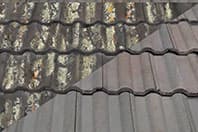
Moss on Different Roofing Materials: Understanding the Impact and Solutions
Learn how moss affects different roofing materials, including metal, tile, asphalt shingle, and timber roofs, plus practical ways to prevent and remove it.
Category
Roofing
Published
7 September 2026
Read time
4 min read
Moss may look harmless from the ground, but once it takes hold on a roof it can become a genuine maintenance problem. In New Zealand, where damp conditions, shaded sections, and regular rainfall are common, moss growth is one of the most frequent issues homeowners face.
The impact of moss depends heavily on the roofing material underneath it. Some roofs are more resistant than others, but no roof is completely immune if the conditions are right. Understanding how moss behaves on different roof types is the first step toward protecting the life of your roof.
Why Moss Thrives on Roofs
Moss loves damp, shaded, and slow-drying surfaces. Roof areas under overhanging trees, south-facing slopes, and sections that stay wet after rain are especially vulnerable.
While moss may begin as a cosmetic issue, it can eventually trap moisture against the roof surface, block drainage paths, and contribute to premature deterioration. Over time, that can lead to corrosion, cracked materials, leaks, and expensive repair work.
Metal Roofs: More Resistant, Not Immune
Metal roofing, including long-run steel and metal tiles, has a natural advantage when it comes to moss resistance. The smoother, harder surface makes it more difficult for moss to establish itself compared with rougher roofing materials.
That said, metal roofs are not completely moss-proof. In areas with low sunlight, high humidity, leaf build-up, or poor drainage, moss can still form, particularly around laps, flashings, gutters, and shaded lower sections of the roof.
The main concern on metal roofs is prolonged moisture retention. Moss can hold water against protective coatings and accelerate deterioration, especially if the roof is already ageing or located in a harsh environment.
Concrete and Tile Roofs: Moss Finds the Gaps
Concrete and tiled roofs are durable, but they are more vulnerable to moss than metal roofs because of their textured surfaces and small gaps between tiles. Moss can establish itself in those joints and crevices, where moisture tends to linger longer.
As moss expands, it can interfere with drainage and create areas where water is held against the roof. On older roofs, moss can also contribute to tile displacement or surface wear over time.
Regular inspection and treatment are important on tile roofs, particularly where trees create shade or debris regularly collects in valleys and gutters.
Asphalt Shingles: One of the Most Vulnerable Materials
Asphalt shingles are less common in New Zealand than long-run steel or concrete tiles, but where they are used they can be particularly susceptible to moss. Their granular surface gives moss an easier foothold, allowing it to attach and spread more readily.
Once moss becomes established, it can begin lifting the edges of shingles and creating pathways for water to enter. That can lead to moisture damage, leaks, and a shortened roof lifespan if left untreated.
Because asphalt shingles are more delicate than some other roofing materials, moss removal needs to be handled carefully. Aggressive cleaning methods can do more damage than the moss itself.
Timber Shakes and Shingles: High Risk for Moisture Damage
Timber roofing materials such as shakes and shingles are also highly vulnerable to moss growth. Moss traps moisture directly against the timber, which increases the risk of decay, rot, mould, and mildew.
On timber roofs, moss is more than a surface issue. It can shorten the life of the roofing material significantly if not addressed early. Any moss treatment plan for timber roofing needs to prioritise safe cleaning methods that remove growth without damaging the wood further.
How to Prevent Moss on Any Roof Type
The most effective moss prevention strategy is a combination of maintenance, moisture control, and early intervention. Helpful steps include:
- Trim overhanging branches to increase sunlight and reduce leaf debris.
- Keep gutters and valleys clear so water can drain away properly.
- Improve ventilation where needed to help reduce excess moisture in the roof system.
- Install zinc or copper strips where appropriate, as rainwater can carry trace metals down the roof surface and help inhibit regrowth.
- Arrange regular inspections so moss can be identified and treated before it becomes widespread.
Safe Moss Removal Matters
Different roofing materials require different treatment methods. A cleaning approach that is suitable for one roof type may be completely wrong for another.
High-pressure washing, for example, can damage coatings on metal roofs, dislodge tiles, strip granules from asphalt shingles, and harm timber surfaces. In many cases, low-pressure treatment with the right moss control product is the safer and more effective option.
If the roof is steep, difficult to access, or heavily affected, professional treatment is usually the best choice.
Protecting the Life of Your Roof
Moss growth is not just a visual issue. On the wrong roof, or left untreated for too long, it can lead to genuine structural and weatherproofing problems.
Whether your roof is metal, tile, asphalt shingle, or timber, the key is to act early. Regular maintenance and the right treatment approach can preserve the appearance, performance, and lifespan of your roof.
If your roof is showing signs of moss or lichen growth, contact the team at Edwards & Hardy. We can assess the roof type, explain the safest treatment options, and help you protect your property from further damage.