
RANZ Re-Roofing Guide 2025: What NZ Homeowners Need to Know
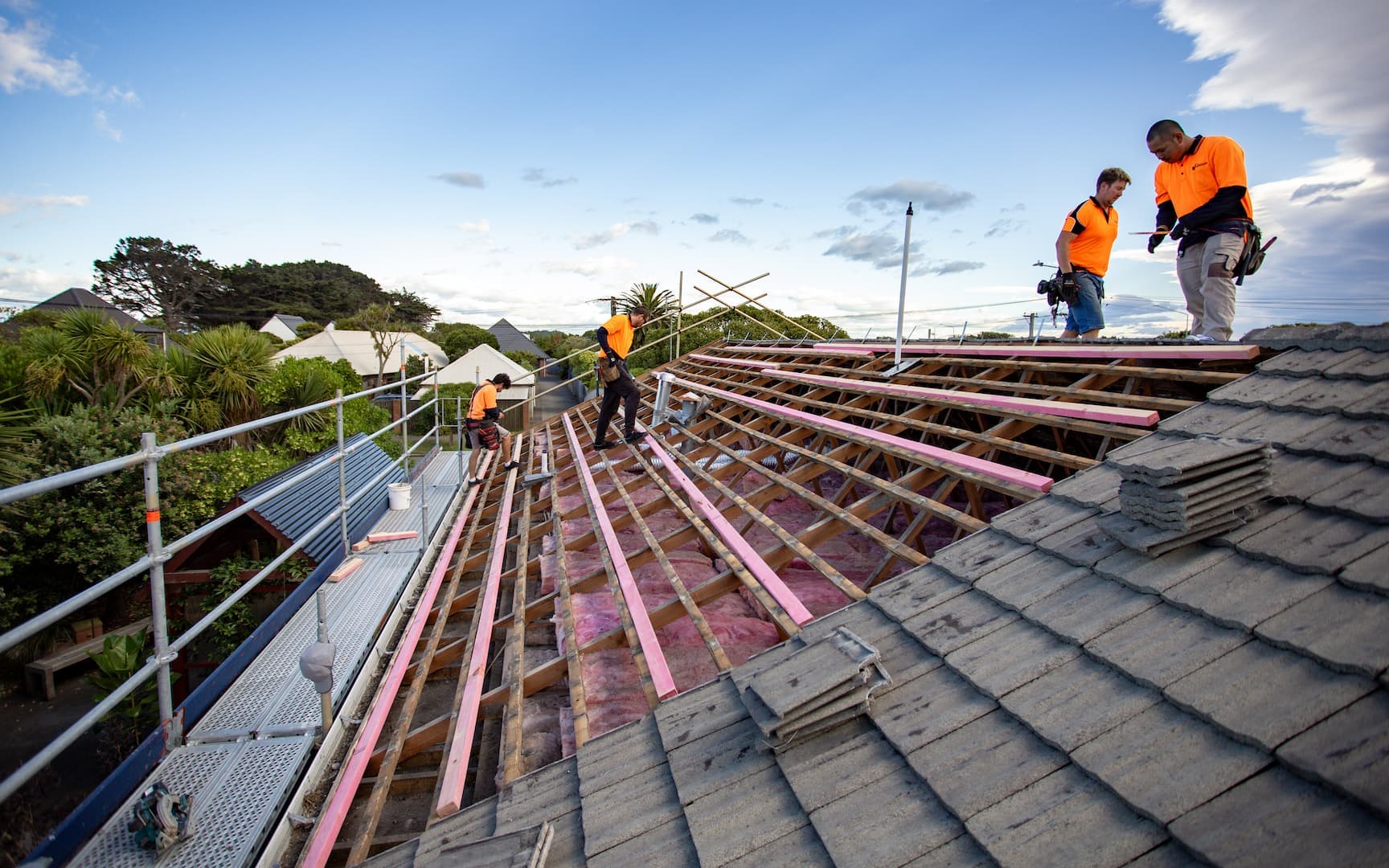
Replacing a roof is one of the most significant investments a homeowner can make. Done well, a reroof can protect a home for decades. Done poorly, it can result in leaks, compliance issues, warranty disputes, and costly remedial work. The Roofing Association of New Zealand's Re-Roofing Guide 2025 is a timely reminder that reroofing is far more than simply replacing old roofing materials.
This article highlights the guide's key messages and explains the issues homeowners should understand before signing a contract, changing roofing materials, or allowing work to begin.
Why This Guide Matters
Many homeowners only replace a roof once, so it is easy to underestimate how much is involved. A reroof is far more than a cosmetic upgrade. It exposes the structure beneath the existing roof and can uncover problems that have been hidden for years, including damaged timber, deteriorated underlay, poor flashings, and moisture issues.
The guide's core message is straightforward: a reroof is a building project, not simply a roofing trade job. It should be undertaken by a suitably qualified contractor who uses the correct materials, complies with manufacturer specifications, plans appropriately for weather protection and site safety, and ensures all regulatory and compliance requirements are met.
Re-Roofing Is More Complex Than It Looks
The visible roof surface is only one part of the roofing system. Depending on the property, a reroof may involve:
- checking for hazardous materials such as asbestos
- safe removal and disposal of the existing roof
- replacing old or non-compliant underlay, flashings, and fixings
- repairing damaged framing or substrate where required
- keeping junctions, edges, and penetrations weathertight
- reviewing opportunities to improve insulation and roof-space ventilation while the roof is accessible
If the work includes Restricted Building Work, it must be carried out and signed off by an appropriate Licensed Building Practitioner (LBP). This documentation is important for Building Code compliance, future property sales, and insurance purposes.
Thinking About Changing Roofing Materials?
Changing roofing products is not simply an appearance decision. The guide highlights several important factors homeowners should consider before changing from one roofing material to another.
Weight
Changing roofing materials can alter the loads placed on the roof structure. Where a heavier roofing system is proposed, engineering assessment or structural strengthening may be required. Conversely, replacing heavier materials such as concrete or clay tiles with lightweight long-run steel can change how loads are transferred through the roof structure and how roof components are restrained.
Roof Pitch
Every roofing profile has a minimum roof pitch specified by the manufacturer. Installing a product below its minimum pitch can increase the risk of ponding, wind-driven rain entering the roof system, and premature performance issues.
Consents
A like-for-like roof replacement may not require a building consent. However, changing roofing materials, altering structural loading, or undertaking other associated building work may trigger consent requirements. It is important to confirm whether a building consent is required before work begins.
Ventilation and Insulation
Roof-space condensation is a longstanding issue that has become more prevalent due to changes in building design, occupant lifestyles, heating systems, insulation levels, and reduced natural ventilation. Different roofing systems can also affect how heat and moisture move through the roof space.
Where a property has existing condensation issues, or where a new roofing system is likely to alter the roof-space environment, it may be appropriate to review and, where necessary, upgrade the ventilation and insulation as part of the reroofing project.
Warranties and Insurance
Not all manufacturer warranties are the same. Homeowners should understand what is covered, what conditions apply, and who stands behind both the product and the installation. Homeowners should also check with their insurer before work begins, as many insurers require notification of significant building work.
Choosing the Right Roofing Material
The right roofing product depends on the home's design, roof pitch, location, and environmental exposure.
- Long-run steel roofing is lightweight, durable, and well suited to many New Zealand homes. Product selection is particularly important in coastal, geothermal, and high-pollution environments.
- Metal tiles provide the appearance of a tiled roof while placing significantly less weight on the structure.
- Concrete and clay tiles offer excellent durability together with good thermal and acoustic performance.
- Membrane roofing systems are designed for flat and low-pitch roofs installed over an appropriate substrate.
- Slate and shingle roofing systems can deliver a premium architectural appearance but generally require specialist installation.
The guide also identifies warm roof and retrofit overlay systems as suitable options in some situations. Where the existing structure is sound, these systems can improve thermal performance and reduce disruption, but they require appropriate design, compatibility checks, and effective moisture management.
Ventilation Deserves More Attention
One of the guide's strongest messages is that condensation is not necessarily the result of poor workmanship. Modern homes are generally more airtight than older homes, which means moisture has fewer paths to escape. Without adequate roof-space ventilation, that moisture can accumulate, leading to mould growth, damp insulation, timber deterioration, and reduced roofing performance.
Ventilation should be part of the reroofing discussion where:
- there is already condensation or dampness in the roof space
- the home is difficult to heat during winter or excessively hot during summer
- new insulation is being installed
- the roof design limits natural airflow
- the replacement roofing system is likely to change the roof's thermal performance
Because the roof is already being opened during a reroof, this is often the most practical and cost-effective time to address ventilation improvements.
Ask Who Will Actually Be On Your Roof
Homeowners should never assume the person providing the quotation will also carry out the work. The guide encourages homeowners to ask questions such as:
- Will your company complete the work directly or subcontract it?
- Who will be installing the roof and what experience do they have?
- Will the work be supervised by an experienced roofing foreman or Licensed Building Practitioner where required?
- Will roof completion documentation be provided?
These are reasonable questions for a project of this value. Clear, confident answers help build trust, while vague responses should prompt further enquiry.
Warning Signs of a Poor Roofing Quote
The lowest price is not always the best value. Warning signs can include vague documentation, cash-only offers, missing safety provisions, no clear disposal plan, weak explanations of compliance requirements, or pressure to sign quickly.
A professional reroofing quotation should clearly identify:
- the roofing products and profiles being installed
- the underlay, flashings, fixings, and any related upgrades included
- how the property will be kept weathertight during construction
- whether scaffolding, edge protection, and other safety measures are included
- who is responsible for removing and disposing of the existing roof
- whether there are any building consent, Licensed Building Practitioner, or other compliance requirements
- the warranties, guarantees, and contractual terms that apply
The guide also notes that RANZ member companies are subject to additional accountability through membership standards and a Code of Conduct. While this does not replace the need for careful contractor selection, it can provide an additional indicator of professionalism.
Homeowner Responsibilities Before Work Starts
There are several practical matters homeowners should consider before the roofing crew arrives:
- notify your insurer that reroofing work is being undertaken
- secure pets and keep them away from the work area
- arrange removal and reinstallation of satellite dishes and aerials where required
- disconnect or protect rainwater collection systems if necessary
- discuss the management of solar panels, heat pumps, and air-conditioning equipment before work begins
- advise the contractor if you wish to retain any existing roofing materials
- identify any cladding junctions or adjacent building work that may affect the reroof
- confirm that the delivered roofing products match those specified in the accepted quotation
Taking these simple steps beforehand can help avoid unnecessary delays, unexpected costs, and misunderstandings once the roof has been opened.
Final Takeaway for Homeowners
The RANZ Re-Roofing Guide 2025 reinforces a simple but important message: reroofing is not the place to cut corners. Material selection, consent requirements, roof pitch, ventilation, hazardous materials, workmanship, documentation, job management, and compliance all contribute to the long-term performance of the roof.
Use the guide as a practical checklist and do not hesitate to ask detailed questions before committing to the work. A professional roofing contractor should be able to explain the proposed roofing system, any associated risks, the warranties available, and the steps being taken to ensure the project is compliant, durable, and weathertight.
While this article summarises key themes from the RANZ Re-Roofing Guide 2025, it is not a substitute for professional advice. Every property is different, and reroofing requirements will vary depending on the existing structure, location, roofing system, and applicable Building Code requirements.
Need Advice on a Re-Roof?
For more than 65 years, Edwards & Hardy has helped homeowners throughout New Zealand with reroofing, roof repairs, and roof maintenance. If you are considering a reroof and would like practical advice on roofing materials, building consent requirements, structural considerations, asbestos management, or roof-space ventilation, get in touch with our team for a detailed assessment and a no-obligation quotation.
Re-Roofing Guide 2025
Download the full guide
Use the official Roofing Association of New Zealand guide as a practical checklist for material choices, compliance questions, warranties, ventilation, and contractor conversations.