
Understanding Roof Pitch: What It Means for NZ Homes
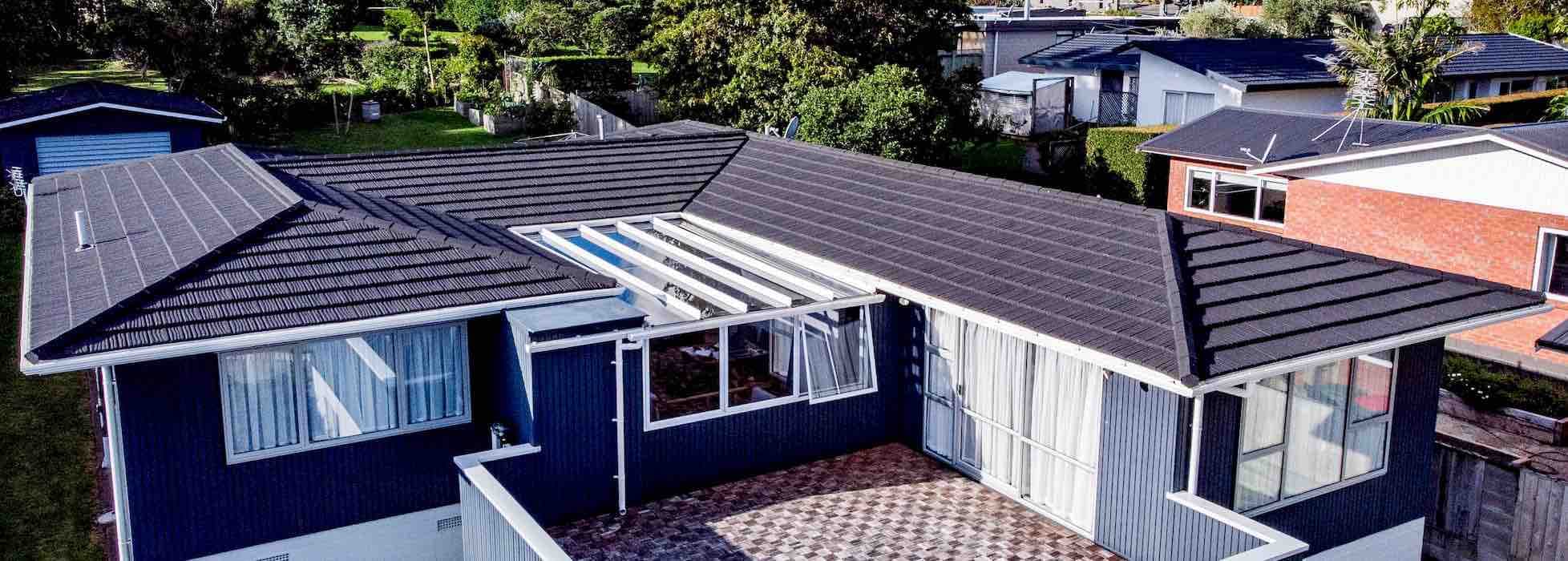
When we talk about roof pitch, we're talking about the angle or steepness of your roof — and it's one of the most fundamental aspects of any roofing system. Roof pitch affects far more than just aesthetics: it determines what materials can be used, how effectively your roof sheds water, how accessible it is for maintenance, and even how much usable space you might have in your ceiling or attic.
What Is Roof Pitch?
Roof pitch is usually expressed in one of two ways in New Zealand:
- As a ratio (rise:run) — For example, 1:4 means the roof rises 1 metre for every 4 metres of horizontal distance (run). This is common in construction documentation.
- As degrees — For example, a 1:4 pitch equates to approximately 14°. Many trade professionals and online calculators express pitch in degrees.
How to Calculate Roof Pitch
To calculate the pitch of your roof:
- Measure the vertical rise of your roof from the top of the wall plate to the ridge.
- Measure the horizontal run — this is half the width of your building (from the wall to directly below the ridge).
- Divide the rise by the run to get the pitch ratio, or use a trigonometric calculation (arctan of rise/run) to convert to degrees.
A faster method: use a digital angle finder or a smartphone app against a rafter or the roof surface itself to read the angle directly.
Common Roof Pitches in New Zealand
New Zealand homes feature a wide range of roof pitches depending on era, architect, and location:
- Low pitch (under 10°): Flat or near-flat roofs. Common on modern commercial buildings and some contemporary residential designs. Depending upon the pitch, specialised waterproofing systems may be required.
- Shallow pitch (10°–20°): Common on 1960s–80s NZ bungalows and some modern homes. Long-run steel is well-suited to this range.
- Moderate pitch (20°–35°): The most common residential pitch range. Suits most roofing materials including long-run steel, metal tiles, and concrete tiles.
- Steep pitch (35°–45°+): Found on character villas, colonial-era homes, and some contemporary designs. Suits concrete and metal tiles particularly well.
Why Pitch Matters for Your Roofing Material
Every roofing material has a minimum pitch recommendation — and going below it risks water ingress. Here's a general guide:
- Metal tiles: Minimum pitch around 12°–15°.
- Concrete tiles: Minimum pitch typically 17.5°–25° depending on tile profile.
- Clay tiles: Minimum pitch typically 20°–30° depending on tile type.
These minimums exist because at lower pitches, water moves more slowly across the roof surface, and without sufficient fall, capillary action or wind-driven rain can push water back under overlaps and laps. Always verify minimum pitch requirements with your roofing manufacturer's specifications.
Skillion vs Gable vs Hip: Does Shape Affect Pitch?
Different roof shapes interact with pitch differently:
- Skillion (mono-pitch): A single-plane, sloped roof. Often used on lean-tos, additions, and contemporary designs. The entire roof is at one pitch.
- Gable: Two roof planes meeting at a central ridge, with triangular gable ends. Very common across NZ. Pitch is consistent on both sides.
- Hip: All sides slope down toward the walls. More complex, with hips and valleys that require particular attention at flashings and intersections.
- Gambrel/Mansard: Two pitches on the same roof slope — a shallower upper slope and a steeper lower slope, creating usable space within the roof.
Does Increasing Roof Pitch Add Value?
In some cases, yes — a higher pitch can make a roof more accessible for maintenance, more aesthetically appealing, and better at shedding water and debris. It can also create usable ceiling space. However, increasing roof pitch is a significant structural project that requires architectural and building consent in New Zealand. It's not a decision to make lightly, but it can absolutely add character and value to the right home.
Need a Roof Assessment?
Whether you're planning a re-roof, trying to understand what material suits your pitch, or dealing with a persistent leak related to pitch issues, Edwards & Hardy's team can help. We have decades of experience across all pitch ranges and roof types. Request a free consultation today.