
Changing Your Roof Cladding: Why the Hidden Details Matter
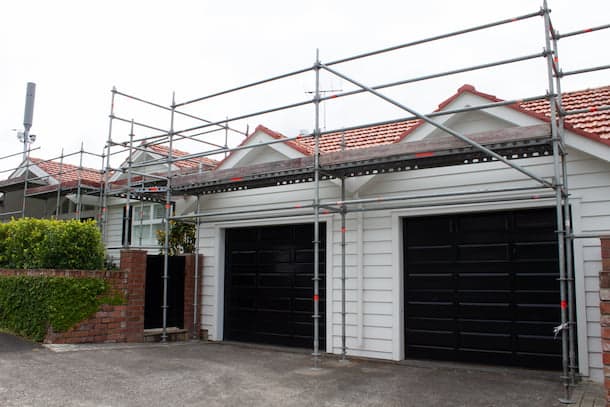
When an existing roof is replaced with a different type of roof cladding, the work often involves much more than simply installing new roofing sheets. One of the most common hidden changes is the installation of new purlins to provide a suitable fixing system for the replacement roof.
Depending on the project documentation, additional structural strengthening may also be required. Because this work is concealed once the reroof has been completed, accurate documentation and photographic records are just as important as the quality of the installation itself.
The work required for any reroof should always be determined by the project documentation, applicable Building Code requirements, manufacturer installation specifications, and engineering advice where required.
Why New Purlins May Be Required
Different roofing systems rely on different methods of support and fixing. When changing from one roof cladding system to another, the existing roof framing may not provide an appropriate fixing arrangement for the replacement roofing.
As a result, reroofing projects commonly require the installation of new purlins to:
- provide the correct fixing support for the new roof cladding
- achieve the required spacing for the selected roofing system
- ensure the roof is installed in accordance with the manufacturer's installation requirements
- provide a suitable foundation for the long-term performance of the new roof
Once the roof has been completed, these new purlins are concealed beneath the roofing, making photographic documentation an important part of the quality assurance process.
Quality Installation and Documentation
Where new purlins are required, the installation team should clearly understand:
- where new purlins are to be installed
- how they are to be fixed
- the applicable project and manufacturer requirements
- the photographic evidence required before the roof is closed in
Consistent installation and accurate records help demonstrate that the hidden work has been completed in accordance with the project documentation.
Additional Structural Strengthening
Some reroofing projects may also require structural strengthening. However, this work should only be undertaken where it is specified in the project documentation or required to satisfy the applicable Building Code or engineering design.
Where strengthening is specified, it may involve upgrading selected roof framing connections or other structural junctions to achieve the required structural performance.
As with the installation of new purlins, any strengthening work should be completed in accordance with the project documentation before the new roof cladding is installed and should be fully documented as part of the project's quality assurance process.
Why Photographic Records Matter
Both new purlins and any project-specified structural strengthening are typically concealed once the reroof has been completed. As a result, photographic documentation provides valuable evidence that the specified work has been completed before it becomes inaccessible.
Good photographic records help verify:
- where new purlins were installed
- any structural strengthening specified within the project documentation
- compliance with the project documentation
- the completed hidden work before it was covered by the new roof
For property owners, housing providers, and asset managers, these photographs may provide the only practical evidence that the specified hidden work has been completed.
What Good Quality Assurance Looks Like
A comprehensive photographic record will typically include:
- An overview identifying the relevant section of roof framing.
- Photographs showing the roof structure before work begins.
- Progress photographs documenting the installation of new purlins and, where specified, any structural strengthening.
- Completed photographs showing the finished work before the roof cladding is installed.
- Additional photographs of any areas that will be difficult to inspect once the roof is complete.
This approach provides a far more robust quality assurance record than a single photograph taken after the work has been completed.
Hidden Details That Matter
New roof cladding is the most visible part of a reroof, but some of the most important work takes place beneath it.
Correctly installed purlins provide the foundation for the new roofing system. Where required by the project documentation, additional structural strengthening helps ensure the roof structure performs as intended.
Proper installation and clear documentation work together to provide confidence that the hidden elements of the reroof have been completed in accordance with the project requirements.
Need Assistance With Your Next Re-Roof?
Edwards & Hardy undertakes reroofing projects ranging from individual homes to large multi-property programmes where workmanship, quality assurance, and documentation are critical. If you would like to discuss reroofing requirements or quality assurance processes for your next project, contact our team.